

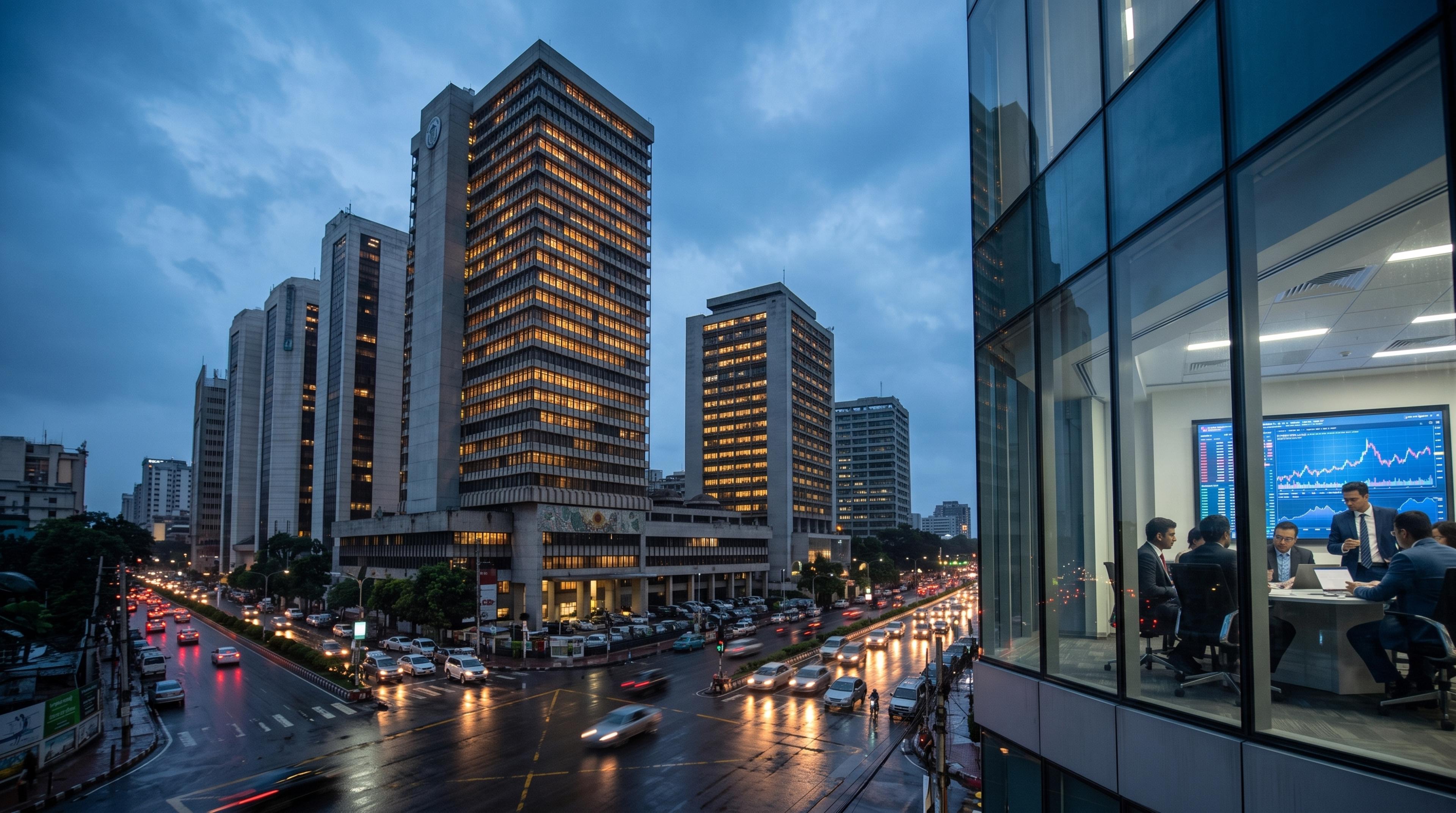
Two contrasting visions for Bangladesh banking reform collided over the span of 48 hours this week, exposing the gap between the private capital Dhaka wants to attract from abroad and the boardroom rules it is willing to enforce at home.
In New York earlier this week, Dhaka-based private equity firm mCapital Ltd unveiled an ambitious $1 billion diaspora investment framework called "Dakchhe Bangladesh" (Bangladesh is Calling). Chaired by former Bangladesh Bank governor Dr. Ahsan H. Mansur and joined at its inaugural "Invest Bangladesh" launch by Nobel laureate and former chief adviser Dr. Muhammad Yunus, the initiative aims to persuade non-resident Bangladeshis (NRBs) across 100 global cities to channel their savings into three specialized private equity funds, including a dedicated vehicle to buy up and resolve defaulted bank loans.
Back in Dhaka on Friday, October 2, however, the Financial Institutions Division (FID) of the Ministry of Finance moved in the opposite direction. Officials confirmed that the ministry has watered down Bangladesh Bank’s draft amendments to the Bank Company Act, rejecting the central bank’s proposal to cut the maximum number of bank directors from a single family from three to two, and refusing a plan to slash consecutive director terms from 12 years to six.
Together, the two developments capture the central dilemma facing Bangladesh’s financial system in October 2026. Cleaning up a banking sector buried under Tk 6.07 trillion ($50 billion-plus) in bad loans requires billions of dollars in fresh institutional and diaspora capital. Yet convincing outside investors to buy into Bangladeshi financial assets depends on proving that the era of politically connected "family banks" is truly over.
The Tk 6.07 Trillion Bad-Loan Mountain
To understand why private equity firms and policymakers are talking about distressed-asset funds in the first place, look at the balance sheets of Bangladesh’s commercial lenders.




Comments
0Join the discussion
You must be logged in to leave a comment.